As a city with Roman origins, Chester was the dominant town of the English north-west and has had moneyers and silversmiths from early times.
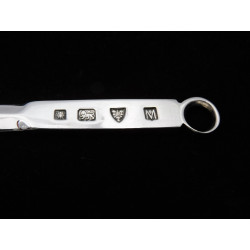
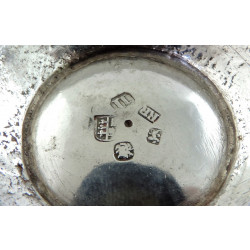
Silver recognised to have been made in Chester can be found from the mid-17th century where maker's initials were struck in combination with either the city arms mark comprising three wheatsheaves with a sword or a "STERLING" mark (often in two halves with "Ster" over "ling"). The Chester Assay Office was formally recognised in 1701 and continued to operate using the city arms mark described above (or an alternative with three lions as the town mark from 1701 to 1778), until its demise in 1962.
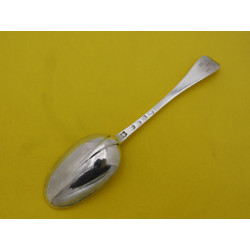
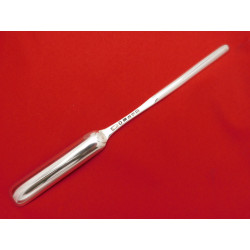
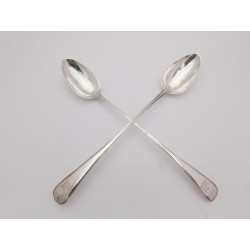
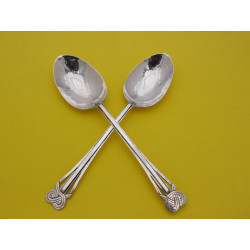
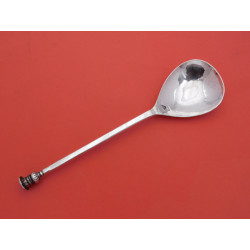
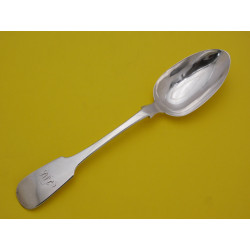
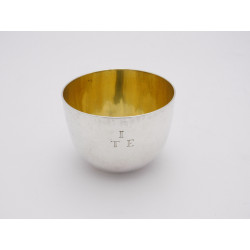
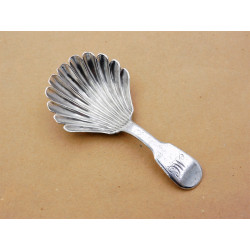
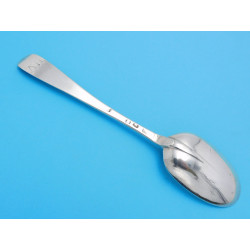
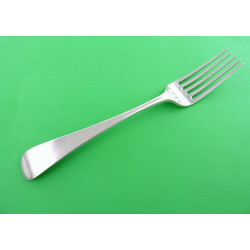
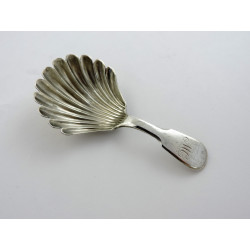
Pre-assay office silver is extremely rare and spoons are the most commonly found item until the mid-18th century when drinking vessels such as mugs and tumbler cups were made. Richard Richardson was the most prolific of Chester silversmiths and the variety of silverware spread during the late 18th century but shrank again in the 19th century with little produced other than silver flatware. Silversmiths from Liverpool, Salford and other nearby towns used the Chester Assay Office for marking their wares.
Despite the paucity of Chester-made silver through the middle of the 19th century, the assay office survived and indeed thrived during the late Victorian and early 20th century when Birmingham and Sheffield manufacturers utilised improved transport links to use Chester as an alternative to the bottlenecks at their local assay offices.