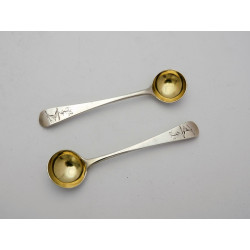
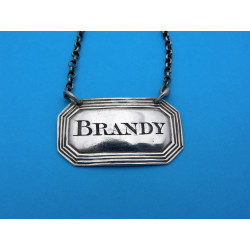
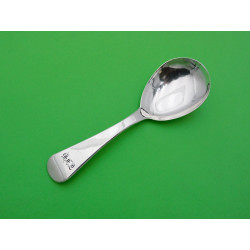
For many centuries, York was England's second most important city and was always a major centre for silversmithing but the running of the assay office was interrupted a number of times and was finally closed in 1858.
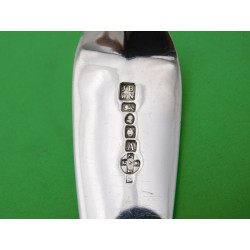
A date letter system was begun in 1559, although not always adhered to, together with a city mark comprising half a fleur-de-lys and half a lion (later half a rose). York Assay Office was closed in 1717 and when it re-opened in 1776 used a new town mark featuring a cross with five lions passant. The addition of the duty mark in 1784 meant there were six potential stamps to punch and so the town mark was generally excluded and therefore today considered a desirable rarity.
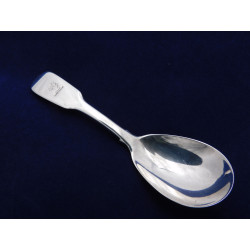
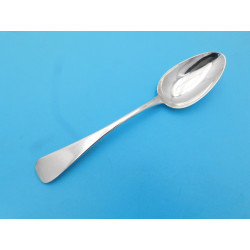
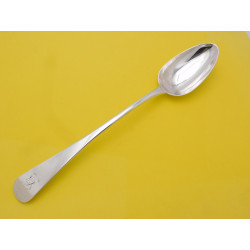
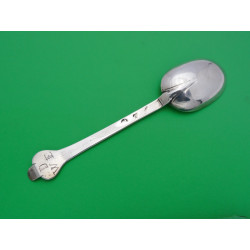
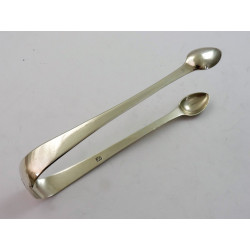
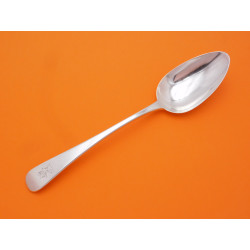
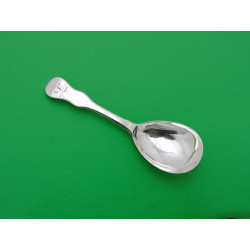
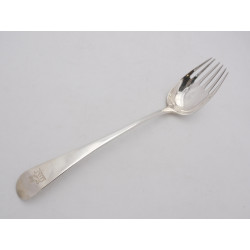
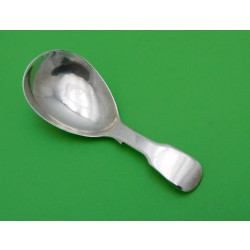
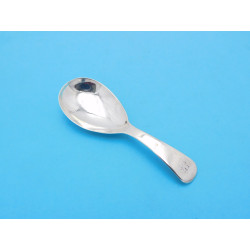
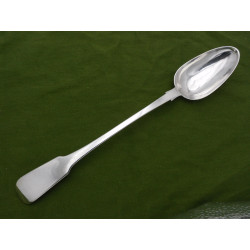
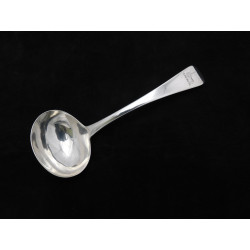
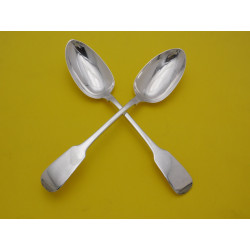
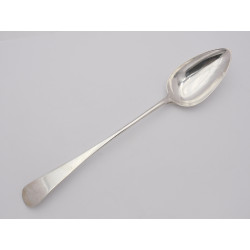
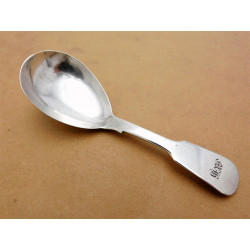
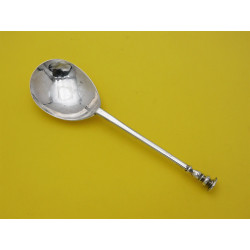
Early York silver available to the collector tends to be in the form of spoons. The majority of York silver made after 1776 was flatware with production dominated by the firm established by Hampston & Prince and then continued in various guises with Robert Cattle, James Barber, William Whitwell and William North. James Barber was the sole reason for York Assay Office to continue in business and when he died, the office closed in 1858.
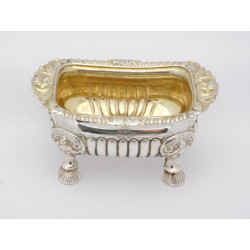
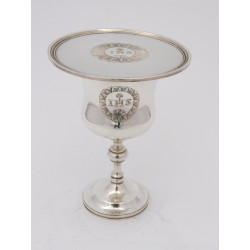
A wide variety of good quality hollowware from 1776 can also be found and it is on these pieces that the sought-after town mark is most commonly seen, although flatware from 1838 owned by The Yorkshire Club often bears it too.